Dark Colors Without the Heat
The Science Behind High-Performance Coatings for Modern Window and Door Systems
Share This Article
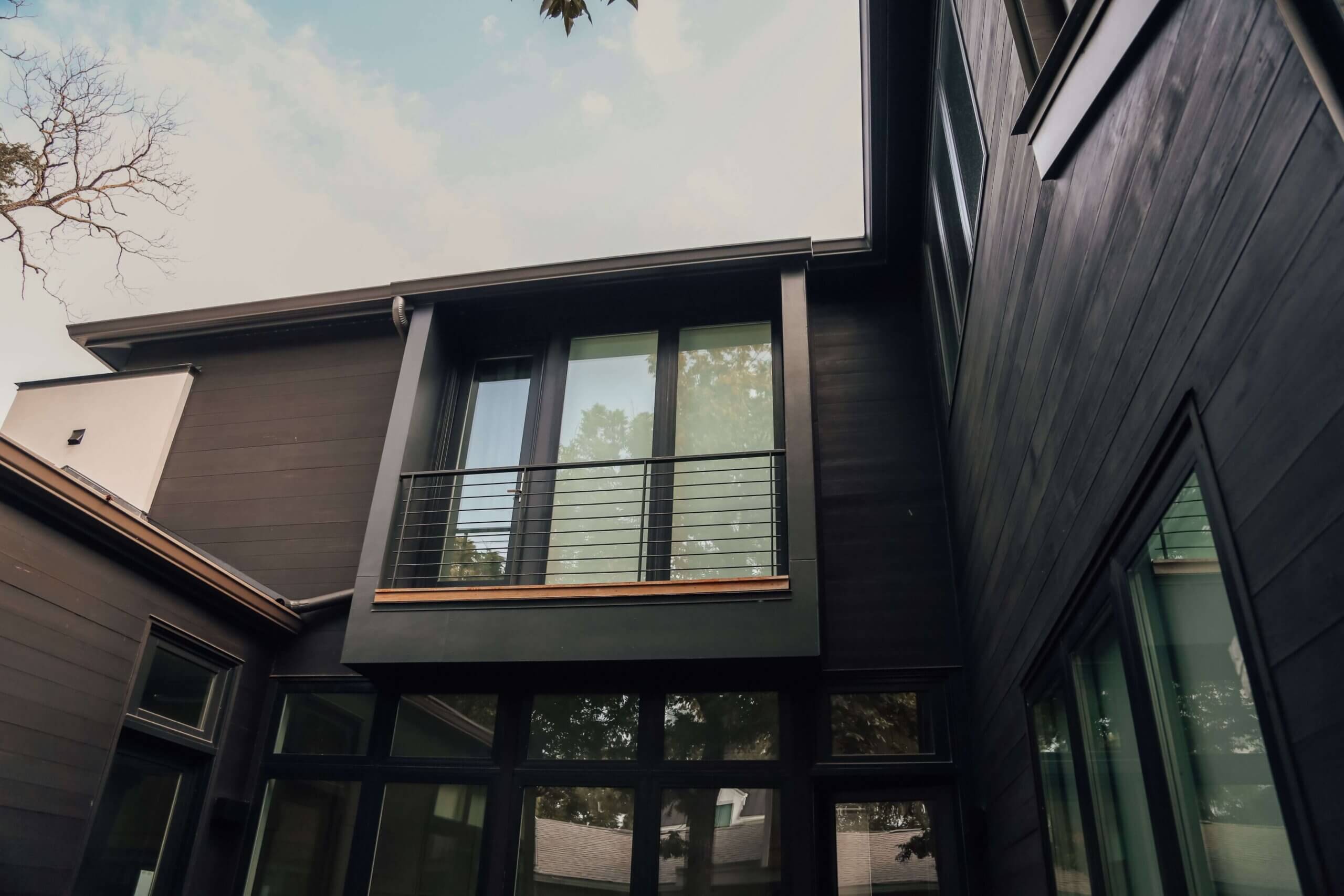
Dark colors have become one of the defining design trends in today’s window and door industry. Black, bronze, charcoal, and other deep colors continue to gain popularity among architects, builders, and homeowners seeking a modern aesthetic.
But dark colors present a challenge.
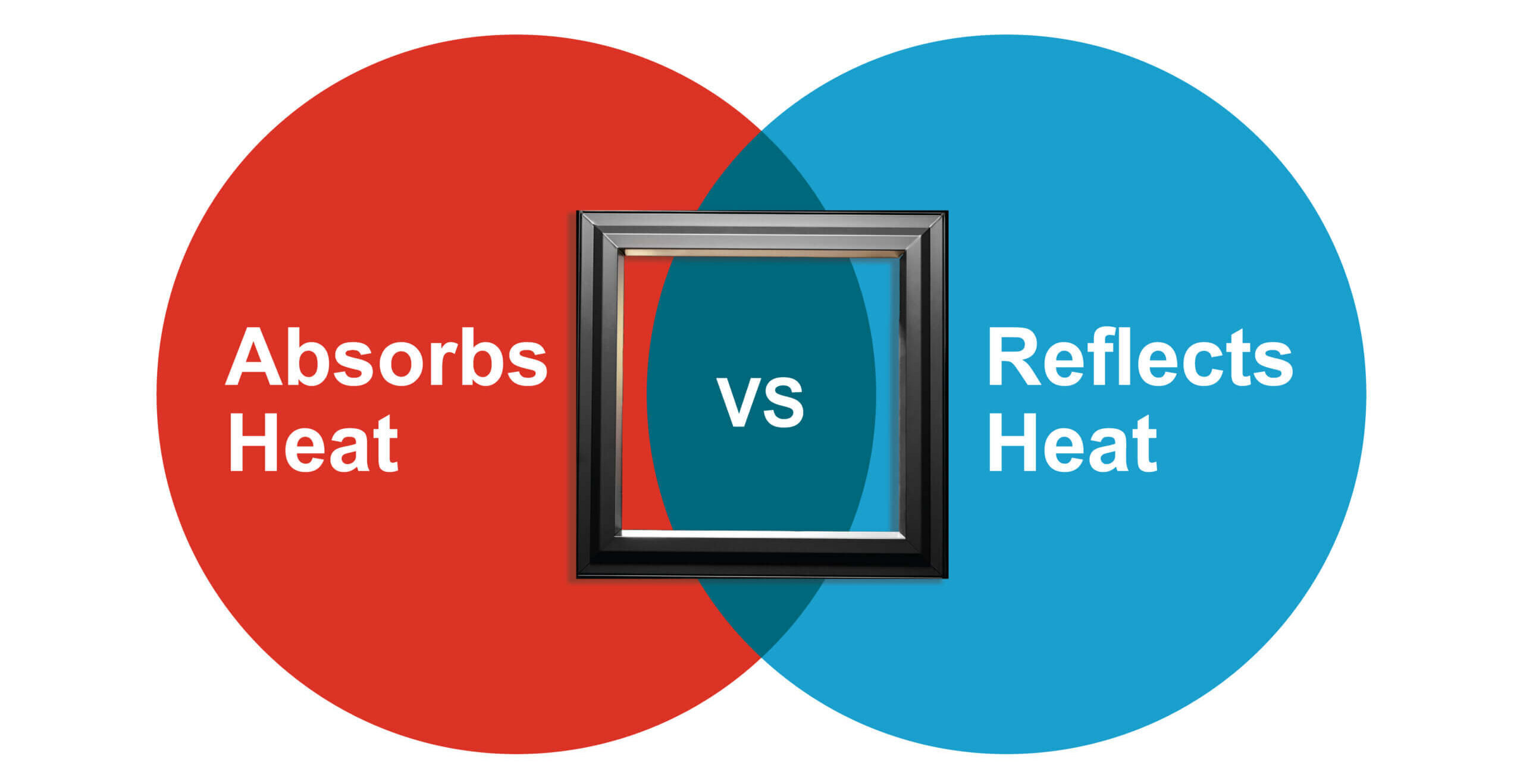
As colors become darker, they absorb more solar energy. On a sunny day, dark-colored profiles can reach temperatures 50 to 60 degrees Fahrenheit higher than the surrounding air. This increase in surface temperature can place additional stress on materials, impact dimensional stability, and affect long-term performance.
For manufacturers, the challenge is clear: how do you deliver the dark colors customers want without compromising durability, performance, or production efficiency?
At NUCOAT, we believe the answer starts with the coating itself.

Understanding the Heat Build-Up Challenge
When sunlight reaches a window or door profile, only a portion of that energy is visible light. Approximately half of the sun’s energy falls within the near-infrared (NIR) spectrum.
Traditional dark pigments absorb much of this near-infrared energy, converting it into heat. As surface temperatures rise, the profile experiences greater thermal stress.
The darker the color, the greater the potential for heat absorption.
This is why managing heat build-up has become such an important consideration when selecting materials and finishes for modern fenestration systems.

Solving the Problem at the Colorant Level
At NUCOAT, we take a different approach.
Rather than focusing solely on managing the effects of heat after it has been absorbed, we address the problem at its source.
Our dark color formulations utilize NIR-reflective black colorant technology specifically engineered to reflect a significant portion of near-infrared energy rather than absorbing it.
The result is a coating that delivers rich, deep, saturated dark colors while helping to reduce surface temperatures compared to conventional dark coatings.
Simply put, less absorbed energy means less heat build-up.
This allows manufacturers to achieve the aesthetics demanded by today’s market while maintaining confidence in the long-term performance of their products.
Purpose-Built for Windows and Doors
NUCOAT is not a general industrial coatings company.
Every coating we manufacture is developed specifically for the window and door industry.
That distinction matters.
The requirements placed on fenestration products are unique. Coatings must perform on PVC, fiberglass, aluminum, and composite substrates while maintaining appearance and durability through years of exposure to sunlight, moisture, temperature fluctuations, and everyday use.
Our formulations are designed around these realities.
From adhesion and weatherability to color retention and process efficiency, every aspect of our coating systems is engineered to support the needs of window and door manufacturers.

Proven Through Industry Standards
Performance claims are easy to make. Verification is what matters.
That is why NUCOAT products are tested against the same industry standards used to evaluate coating performance throughout the fenestration industry.
ASTM D4803
ASTM D4803 provides a standardized method for measuring heat build-up performance in coatings and materials exposed to solar energy.
This testing allows manufacturers to evaluate how different colors and coating technologies respond to heat exposure and provides valuable data for product selection.
AAMA 615
NUCOAT coatings are also tested to AAMA 615, one of the industry’s most recognized standards for organic coatings applied to PVC substrates.
This specification evaluates critical performance characteristics including:
- Adhesion
- Weathering resistance
- Color retention
- Gloss retention
- Durability
Meeting these standards provides manufacturers with confidence that coated products will perform as intended in demanding real-world conditions.
At NUCOAT, performance is proven through testing, not marketing claims.

Beyond Performance: Operational Flexibility
While heat management is critical, manufacturers must also consider production realities.
This is another area where coatings offer significant advantages.
NUCOAT provides unlimited color capability through custom color matching without the need for film inventories or specialized extrusion tooling.
Whether producing large production runs or highly customized projects, manufacturers can access virtually any color while maintaining flexibility and responsiveness.
Coatings also support applications that are difficult or impossible to achieve with alternative finishing technologies, including:
- Dual-color interior and exterior finishes
- Application to finished lineals
- Application to assembled units
- Field touch-up and repair
These capabilities allow manufacturers to respond quickly to customer demands while maintaining production efficiency.

Color Without Compromise
The demand for dark colors is not slowing down.
Architectural trends continue to favor darker finishes, and manufacturers need solutions that deliver both aesthetics and performance.
At NUCOAT, we believe manufacturers should not have to choose between the two.
By combining NIR-reflective colorant technology, purpose-built formulations, and independently verified performance standards, we provide coatings engineered specifically for the challenges of modern fenestration systems.
The result is simple:
Rich, dark colors. Reduced heat build-up. Proven performance.
Color without compromise.